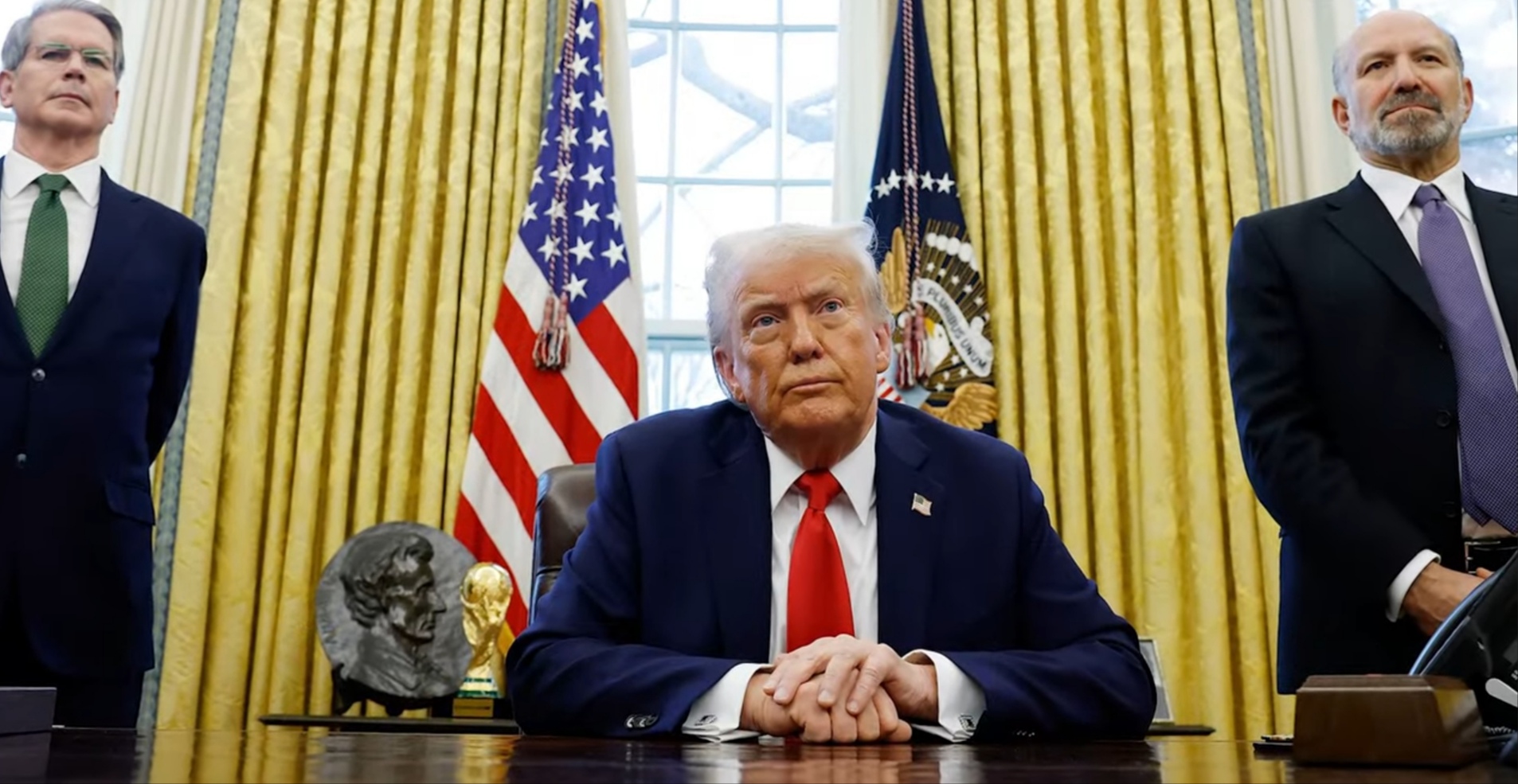
 A major change in the U.S. immigration policy has triggered fresh debate, especially among Indian professionals. President Donald Trump’s proclamation to impose a $100,000 one-time fee on H-1B visa petitions has created both panic and confusion at American airports, but experts believe the bigger impact will be felt by U.S. companies rather than Indian workers.
Initially, scenes of chaos were reported at San Francisco International Airport, where Indian passengers feared they might not be able to return if they left the country. But on closer look, this sudden visa policy shift could actually work in favor of Indians. Since nearly 70% of H-1B visa holders are Indian, the one-time fee means they will no longer be burdened with annual payments. Once the amount is settled, applicants can enjoy more security and stability in their U.S. careers.
For American companies, however, the story is different. Tech giants and startups in Silicon Valley depend heavily on skilled Indian IT professionals to fill critical roles. The $100,000 upfront cost for every H-1B hire will directly raise expenses, discourage new applications, and force U.S. businesses to reconsider their hiring strategies.
Critics argue that the move exposes a racial bias in U.S. immigration decisions. By targeting a visa program where Indians dominate, the Trump administration risks sending a negative message about inclusivity. While the policy was intended to curb foreign hiring, it may ultimately backfire by creating talent shortages in the American tech industry.
For India, the change is being seen as a mixed development. On one hand, Indian professionals stand to benefit from a one-time fee structure. On the other, fewer sponsorships by U.S. companies could reduce opportunities for fresh applicants.
This dramatic U-turn by Trump—already being called a “Trump TACO” (Turn Around on Commitments Overseas)—shows how immigration policies are often shaped by politics rather than long-term economic needs. As things stand, the move seems harsher on American employers than on Indian workers.
👉 Stay updated with the latest global and geopolitical news on Thangnews24.