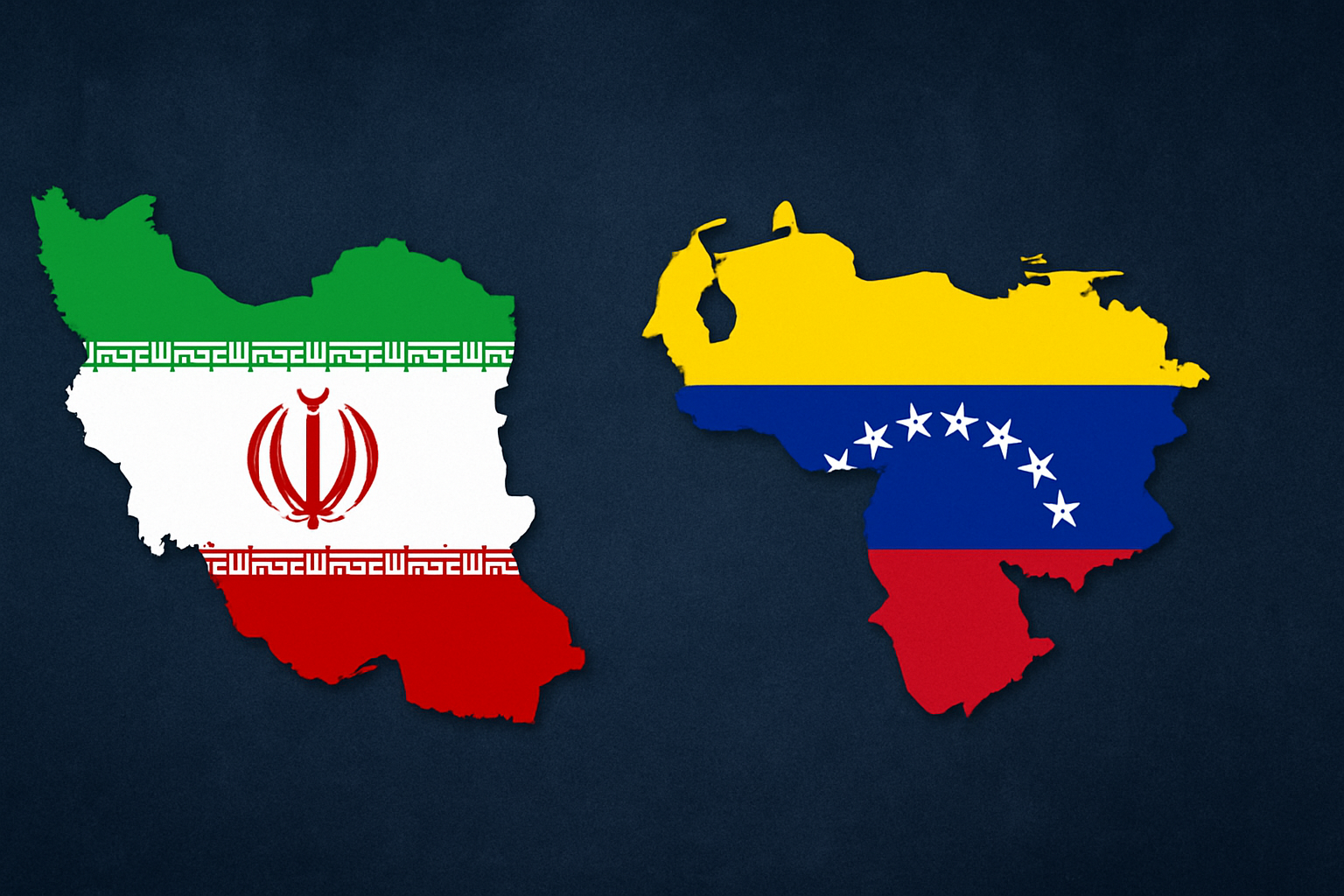
 In a significant diplomatic move, India has requested the United States to allow oil imports from Iran and Venezuela, arguing that this step would help New Delhi reduce its dependence on Russian crude. The matter was reportedly raised during meetings held by an Indian delegation visiting Washington this week, according to people familiar with the discussions.
India, the world’s third-largest oil consumer, has become one of the biggest buyers of Russian crude since the war in Ukraine triggered Western sanctions on Moscow. Discounted supplies from Russia have played an important role in meeting India’s energy security needs. However, U.S. officials have increasingly urged New Delhi to scale back purchases from Moscow, citing concerns about financing Russia’s war effort.
Indian representatives conveyed that reducing Russian imports is possible only if Washington provides viable alternatives. They emphasized that lifting restrictions on Iranian and Venezuelan oil would create new supply routes for India and ease global market pressures. Officials also cautioned that limiting access to crude from all three nations—Russia, Iran, and Venezuela—at the same time could risk triggering a surge in global oil prices, hurting both developing and developed economies.
Iran, in particular, has historically been one of India’s major suppliers before U.S. sanctions tightened. Its crude is not only geographically convenient but also well-suited for Indian refineries. Venezuela too offers heavy crude that Indian refiners are capable of processing. By reopening these trade channels, India believes it could diversify its energy basket while addressing U.S. concerns over Russian dependence.
At the same time, the U.S. has encouraged India to buy more American oil, an option that Indian officials acknowledge but view as costlier compared to supplies from Iran and the Gulf region. The discussions highlight the delicate balance India seeks to maintain: safeguarding its energy security, avoiding over-reliance on any single supplier, and managing relations with both Washington and Moscow.
While the U.S. has not announced any policy change yet, the talks underscore the ongoing negotiations and the importance of energy diplomacy in shaping global partnerships.