 The United States has once again tightened the rules around skilled worker visas, and this time the move could hit India the hardest. Former U.S. President Donald Trump has announced a massive $100,000 (around ₹90 lakh) fee for H-1B visa applications, a change that is already raising alarm among Indian professionals and companies.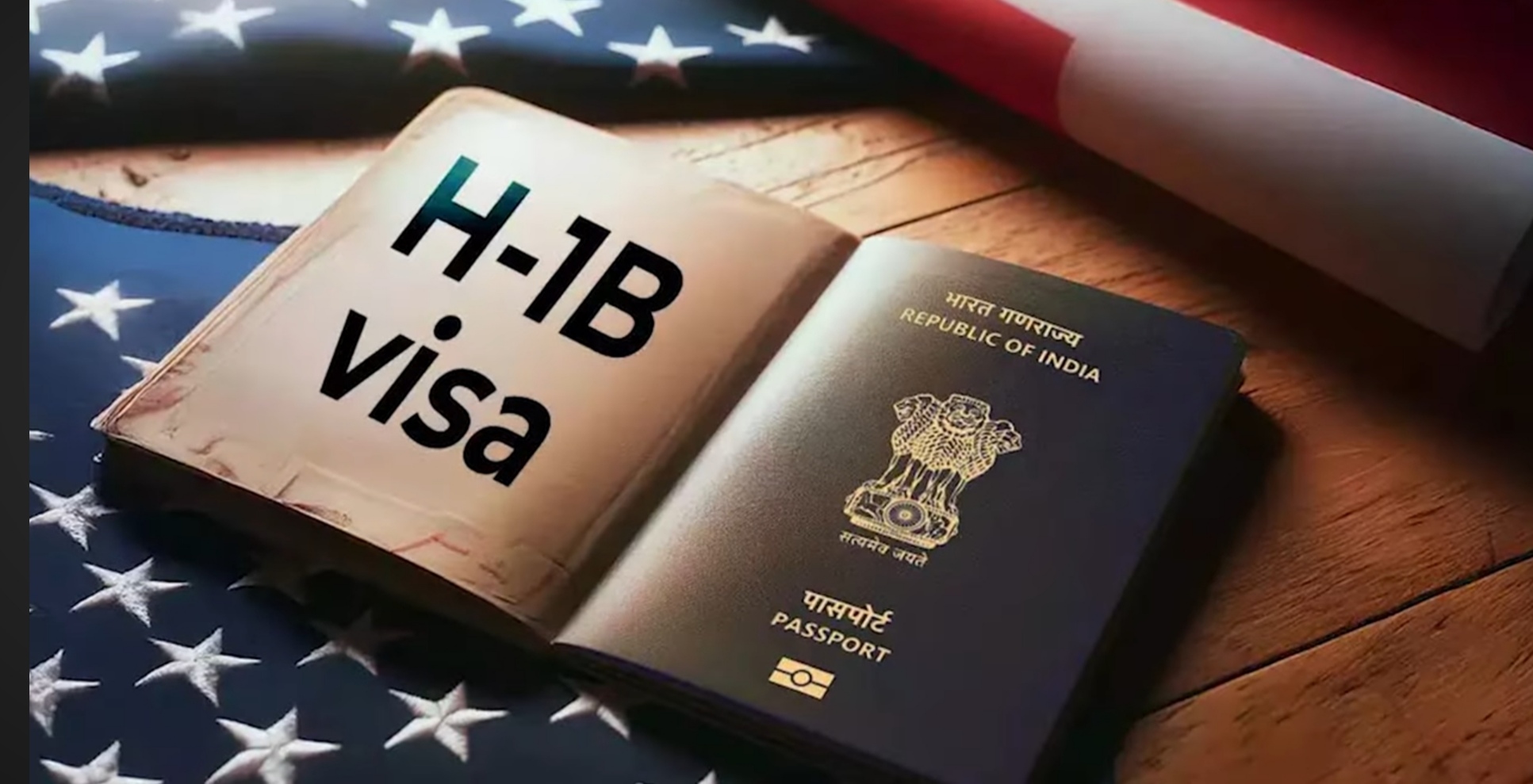
India has long been the largest beneficiary of H-1B visas, with Indians holding nearly 71% of all issued permits. These visas allow highly skilled professionals, especially from the IT sector, to work in the U.S. at global technology firms. For years, this system has been a lifeline for India’s tech workforce and a backbone for the country’s IT exports. But with such a high visa cost, Indian workers and companies could face major setbacks.
Large IT firms like Infosys, Wipro, and TCS regularly send employees to the U.S. to manage client projects. The new visa fee would significantly raise their operational costs, making it harder for them to compete. Smaller firms may not even be able to afford sending staff overseas. For young professionals dreaming of U.S. opportunities, the cost could simply shut the door.
The announcement has also raised concerns in the U.S. itself. Companies such as Microsoft and other tech giants, which depend heavily on Indian talent, have warned about the negative impact this policy could have on innovation and competitiveness. Legal experts are even predicting lawsuits against the policy.
For India, the implications are serious. Fewer H-1B visas mean fewer opportunities abroad, reduced foreign income through remittances, and slower growth in the IT sector — one of India’s strongest industries. It also sends a signal that the U.S. is moving toward stricter immigration barriers, which could reshape global hiring trends.
As India continues to strengthen its own digital economy, this development is a reminder of how global policies can directly impact Indian workers and businesses. The coming weeks will reveal whether the U.S. faces pushback from its own corporations and how India responds to protect its tech workforce.