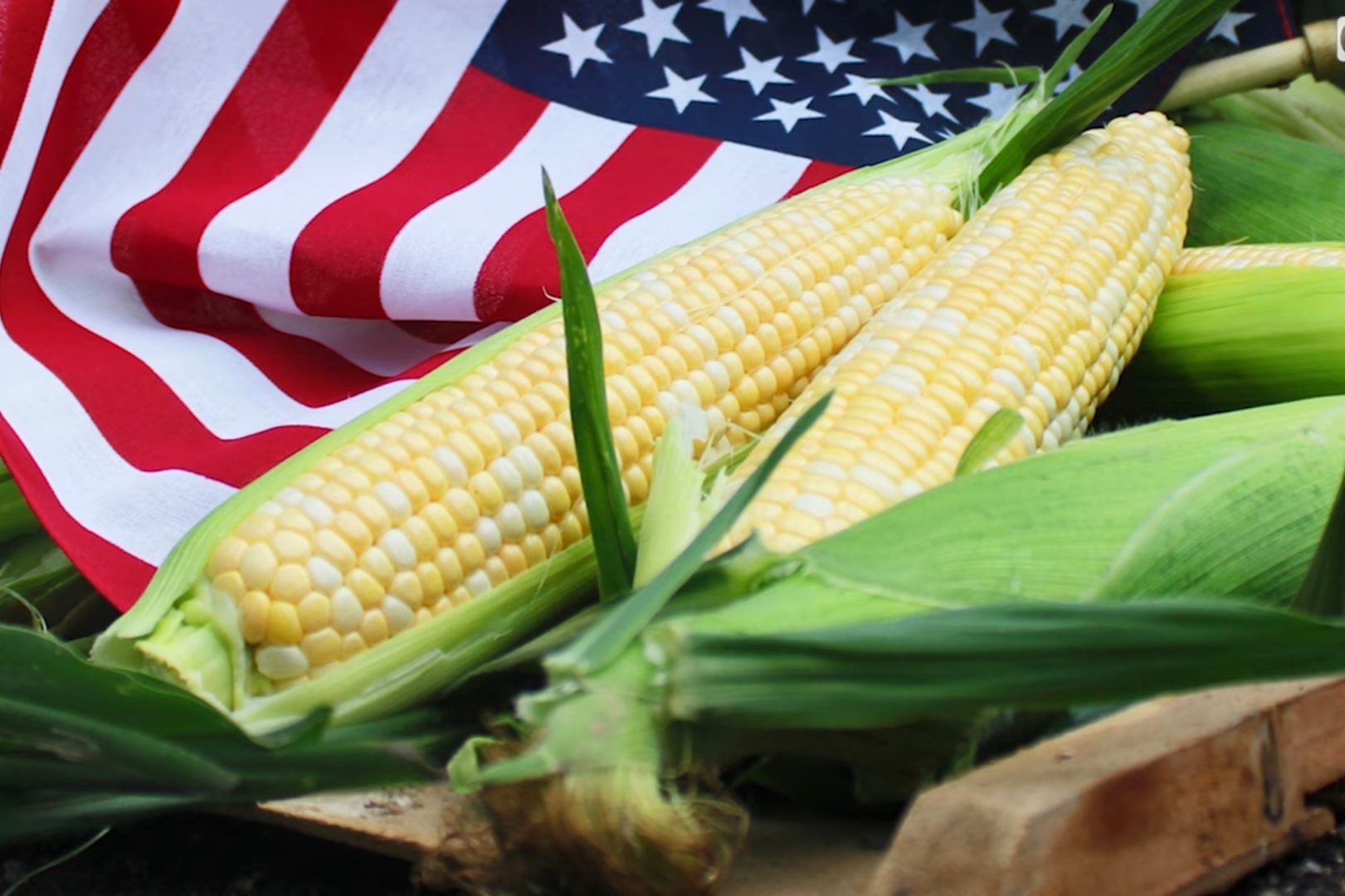
 A new trade debate is brewing between India and the United States after US Commerce Secretary Howard Lutnick openly criticized India’s agricultural policies. Lutnick argued that while India proudly highlights its population of 1.4 billion people, it has not bought even a single bushel of corn from American farmers. His remarks reflect Washington’s growing concern over what it sees as an unfair trading system between the two countries.
According to Lutnick, India exports a wide range of goods to the United States — from IT services and pharmaceuticals to textiles — but has continued to keep high tariffs on US agricultural imports, including corn. He urged New Delhi to reduce these barriers in order to create a fairer and more balanced relationship.
The comments come at a time when trade tensions are already high. Recently, the United States imposed a 50% tariff on selected Indian exports, arguing that India must open its markets if it expects to enjoy continued access to the American market. This move has put pressure on New Delhi, which is already trying to protect its domestic industries from global competition.
For the US, India represents a huge opportunity. With its growing population and rising food demand, Washington believes that India could become a major market for American farmers. Corn is especially important as it is used not just for food, but also for animal feed and industrial purposes.
However, Indian policymakers face a dilemma. Opening the gates to large-scale imports of US corn could harm millions of local farmers who depend on selling their produce in domestic markets. India has always been cautious when it comes to food security and farmer livelihoods, making it unlikely to give in easily.
Experts warn that if this dispute continues, it may affect other areas of cooperation between India and the US, including defense, technology, and clean energy partnerships. Both nations will need to find a middle ground that balances trade fairness with protection of local interests.
For now, the corn issue has become more than just about agriculture — it is shaping into a larger test of India–US relations.